
The Moon

Across all of art history, so many masterpieces have been painted in sunlight.
After all, daylight brings all the colours of our world to life - no matter if this is in the blazing light of summer, or the slate greys and whites of winter.
But if the sun is made for living . . . then the moon is made for dreaming.
And this is the theme of our special exhibition here today.
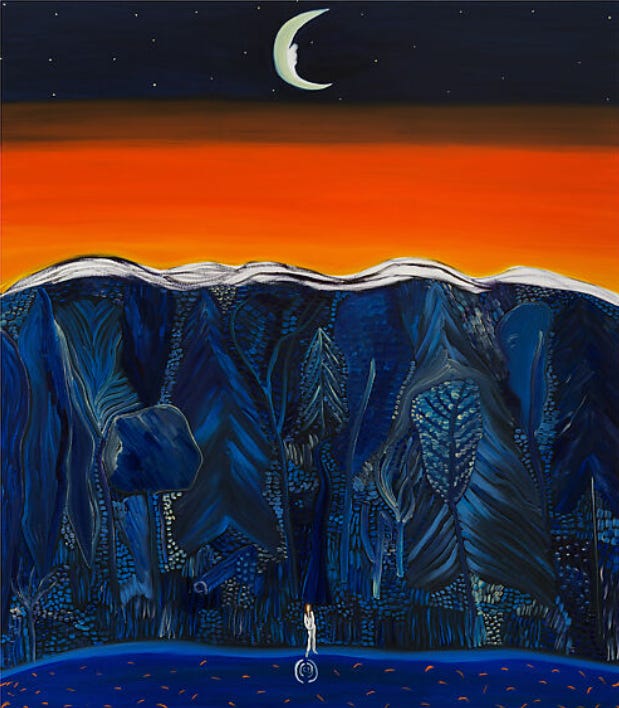
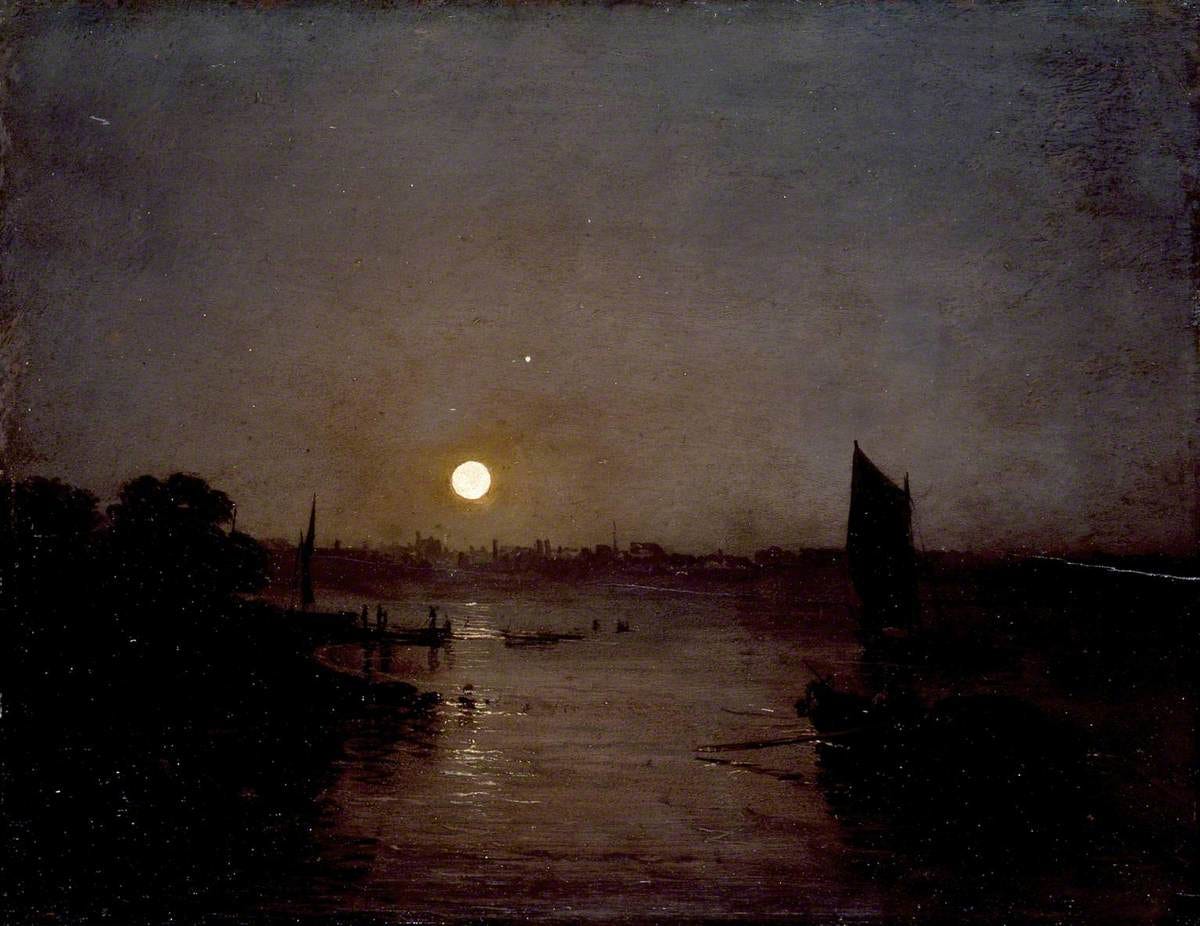
In many ways, the relationship we have to the moon nowadays is so much closer than at any other point in history.
Through telescopes and long distance binoculars, we can cast our eyes all over its scarred landscape- while, at the simple touch of a button, we have access to an inexhaustible supply of high definition photos or videos from the actual surface of our closest celestial neighbour.
Yet in spite of all these astonishing technological achievements - there remains this innate sense of wonder and of mystique whenever we looking at the moon . . . the kind of thing which can still only really be captured through art.
_
No matter if we are looking at a luminous ball in the company of swirling starlight, or a lonely crescent, hanging in the midst of such unfathomable emptiness . . . there is something utterly magical about an object which is so clear to see, yet so utterly out of reach too. (At least, for the vast majority of us with no access to a rocket ship!)
And for every story which tells of the romance or the enchantment of the moon - there are just as many which speak of it as possibly something much more sinister instead. . . i.e as a creator of werewolves, or as a kind of stage light for countless gothic horrors, or even as the cause of real life madness (literally, the word “Lunatic” has its roots in the Latin word “Lunaticus” which means moon struck)
_
So, for all these reasons, it is no wonder that the moon has been the source of such inspiration in the hearts of artists since the very dawn of humanity.
And with our little selection of works here today, I hope to capture just a small sense of the many faces, phases, and atmospheres that our moon can offer in art.
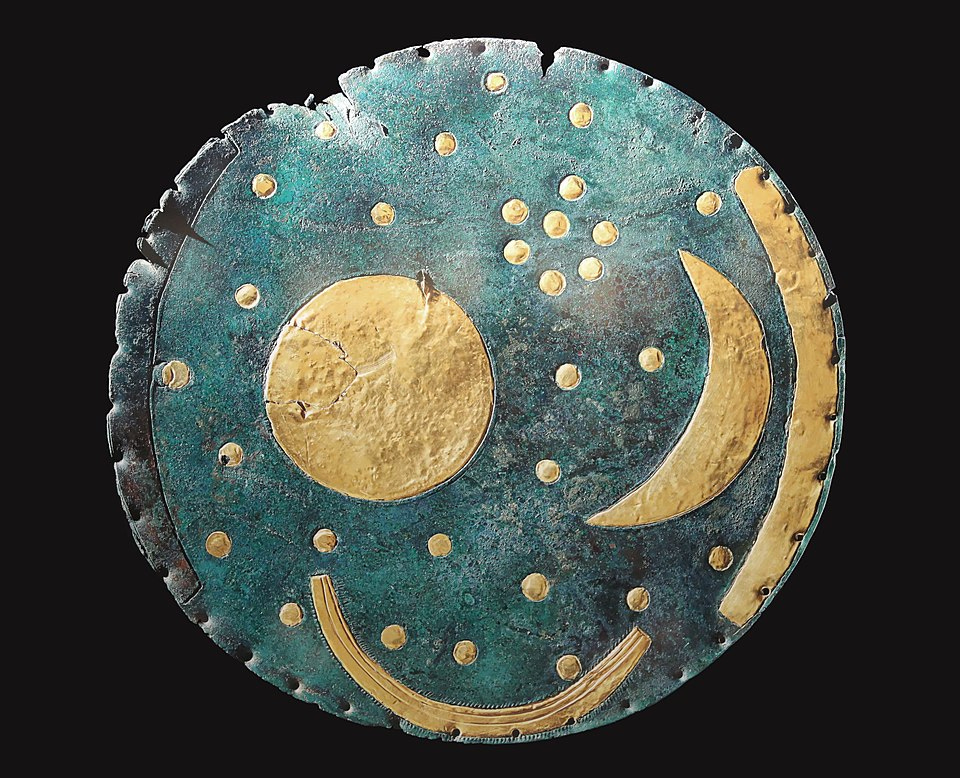
Nebra sky Disc - created around 1600 - 1800 BCE
Halle State Museum of Prehistory, Germany
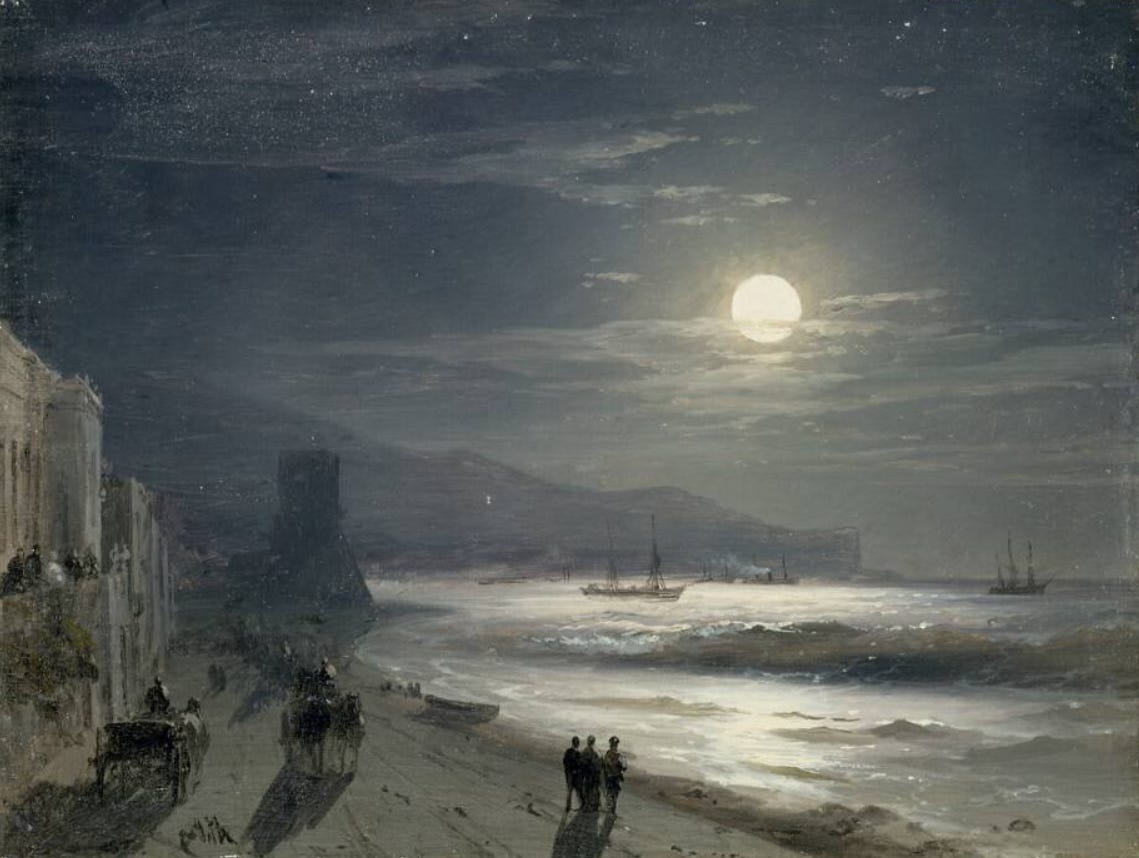
Ivan Aivazovsky - Moon Night - 1850s
State Russian Museum, St. Petersburg
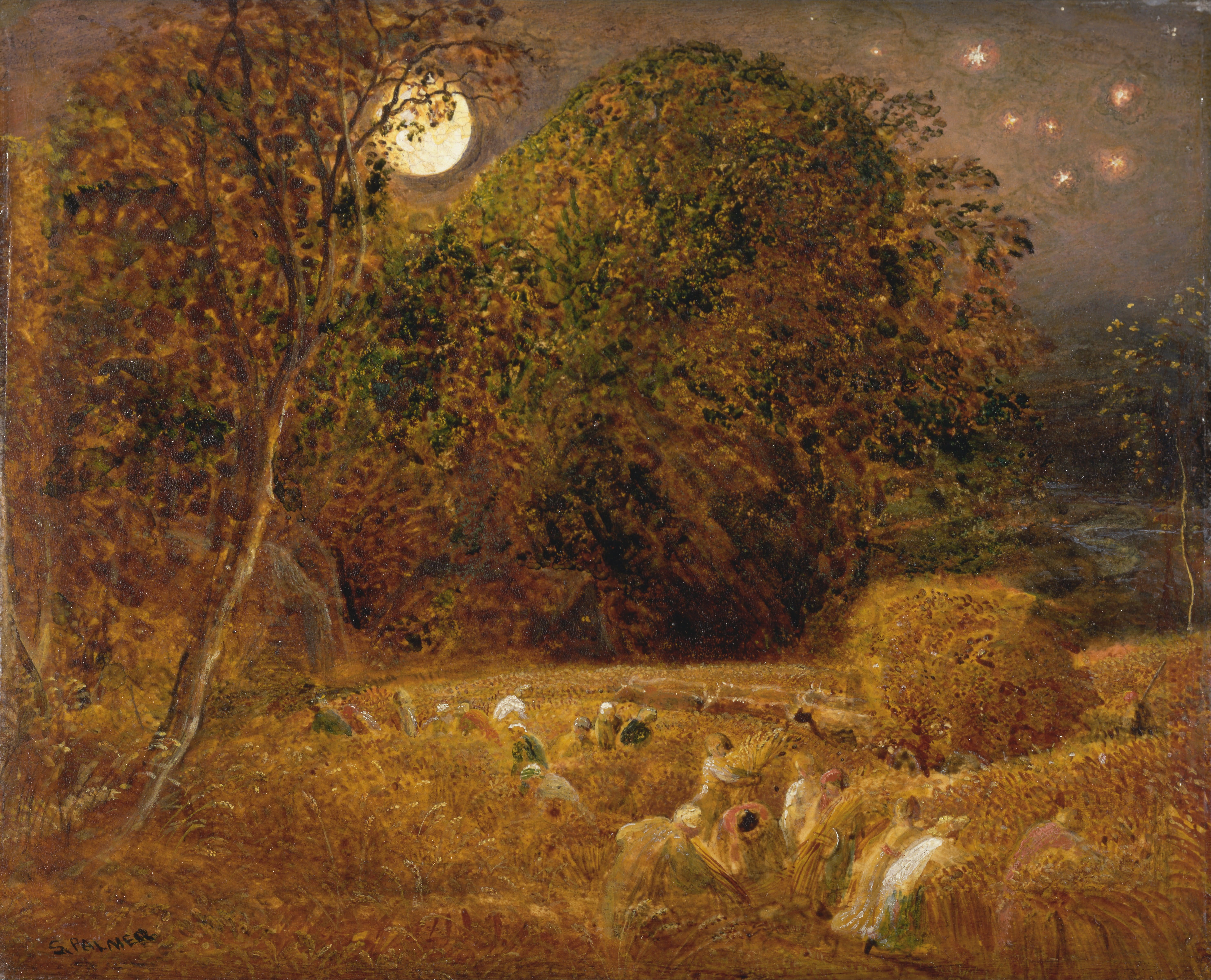
Samuel Palmer - The Harvest Moon - 1833
Yale Center for British Art
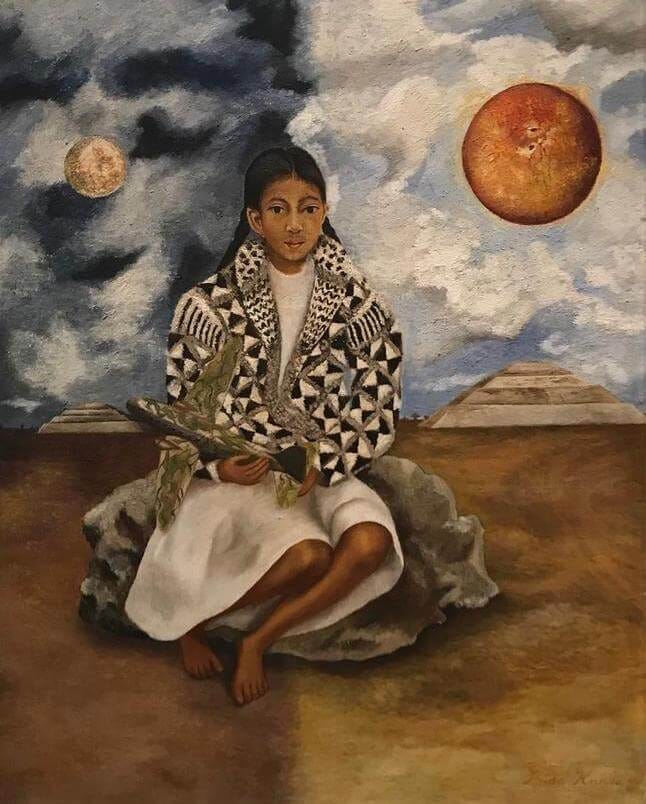
Frida Kahlo - Portrait of Lucha Maria, A Girl from Tehuacan - 1942
Private Collection
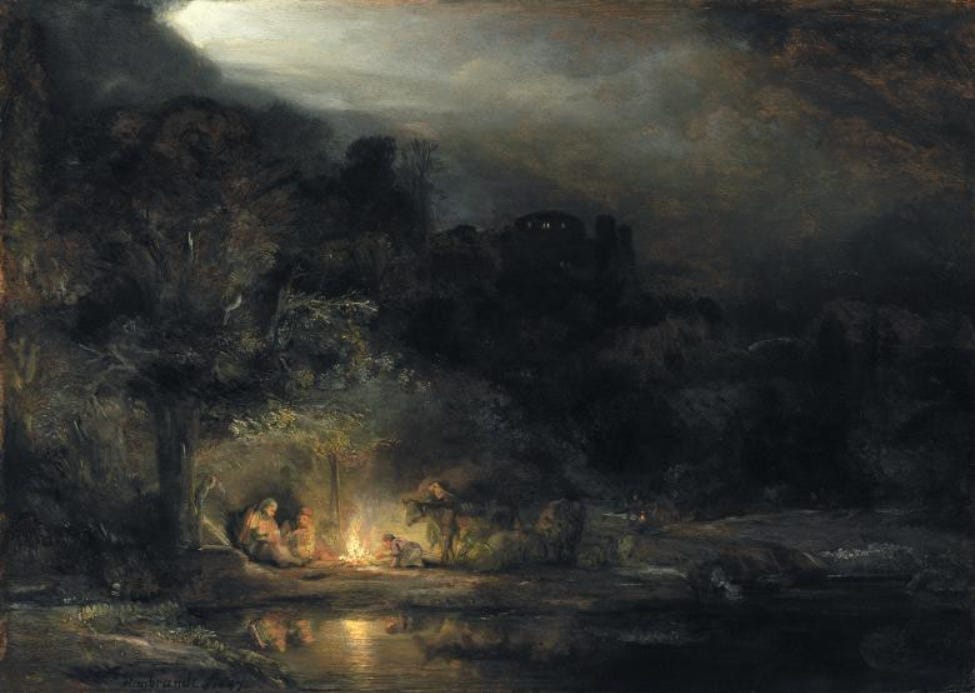
Rembrandt - Rest on the Flight to Egypt - 1647
National Gallery of Ireland
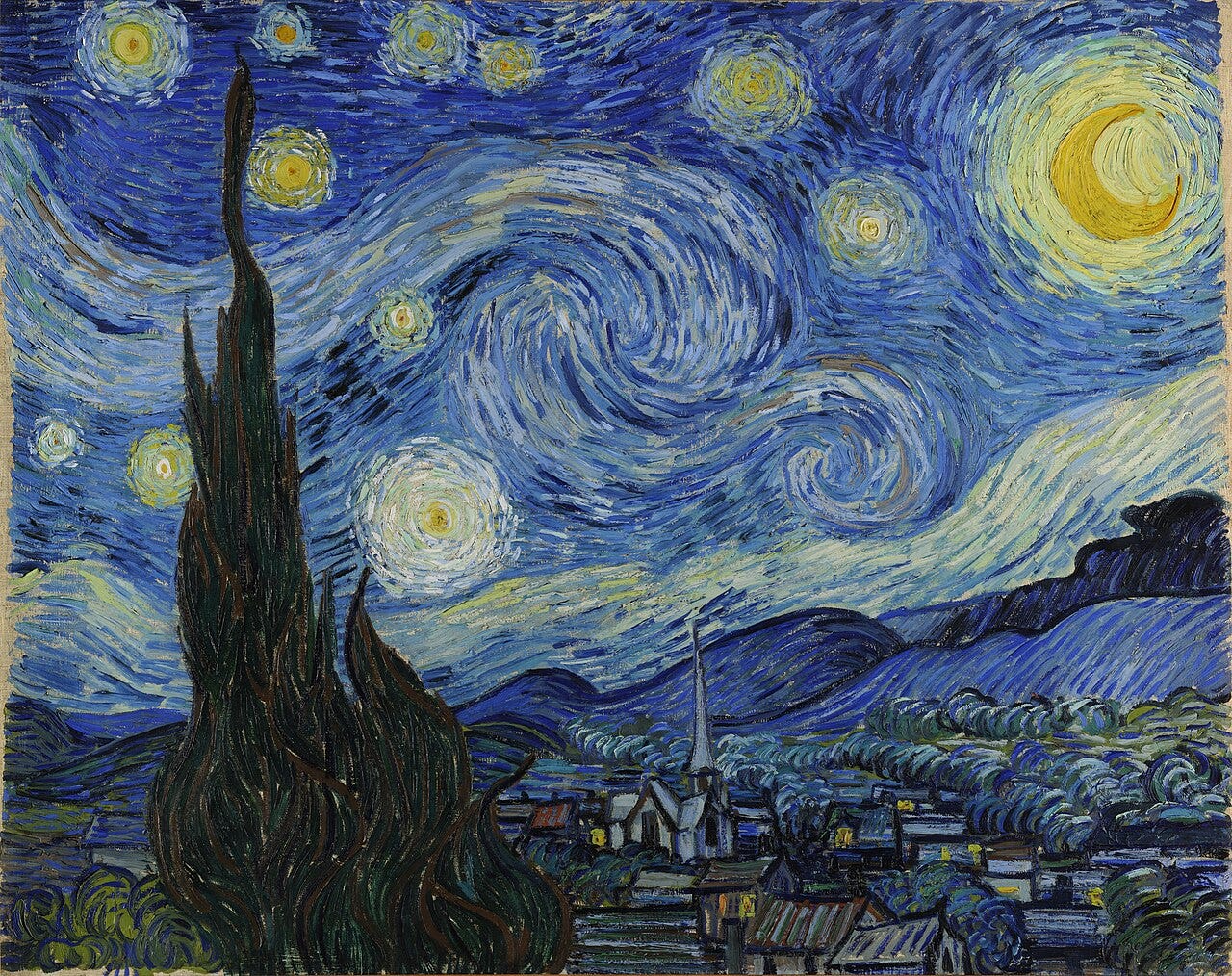
Vincent van Gogh - The Starry Night - 1889
Met Museum, New York
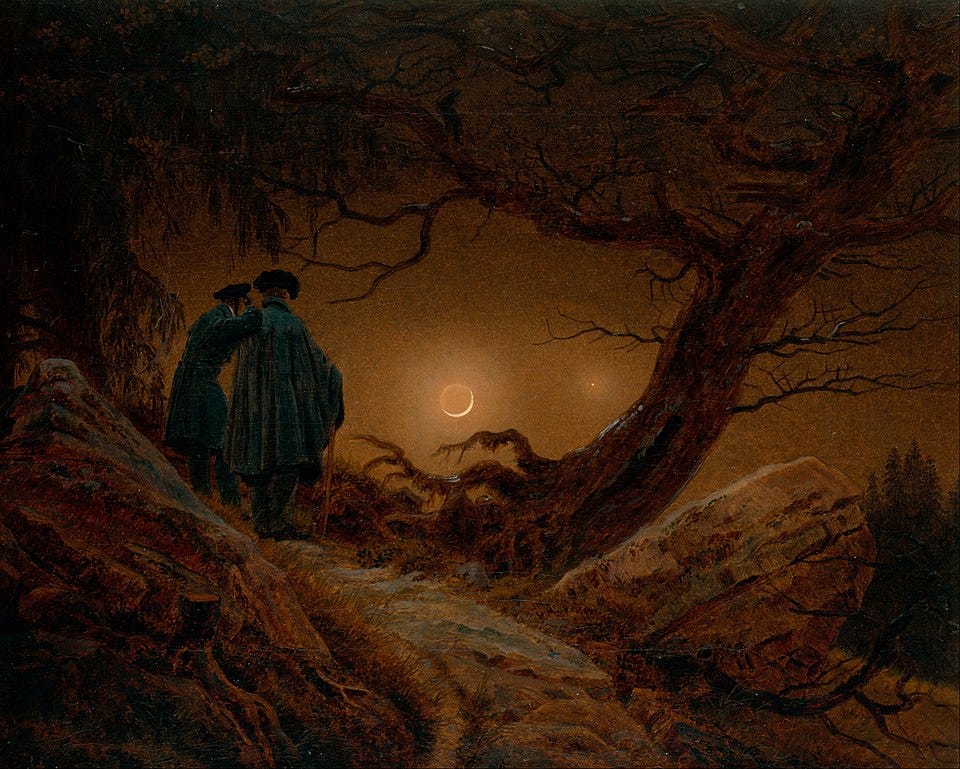
Caspar David Friedrich - Two men Contemplating the Moon - 1820
Galerie Neue Meister
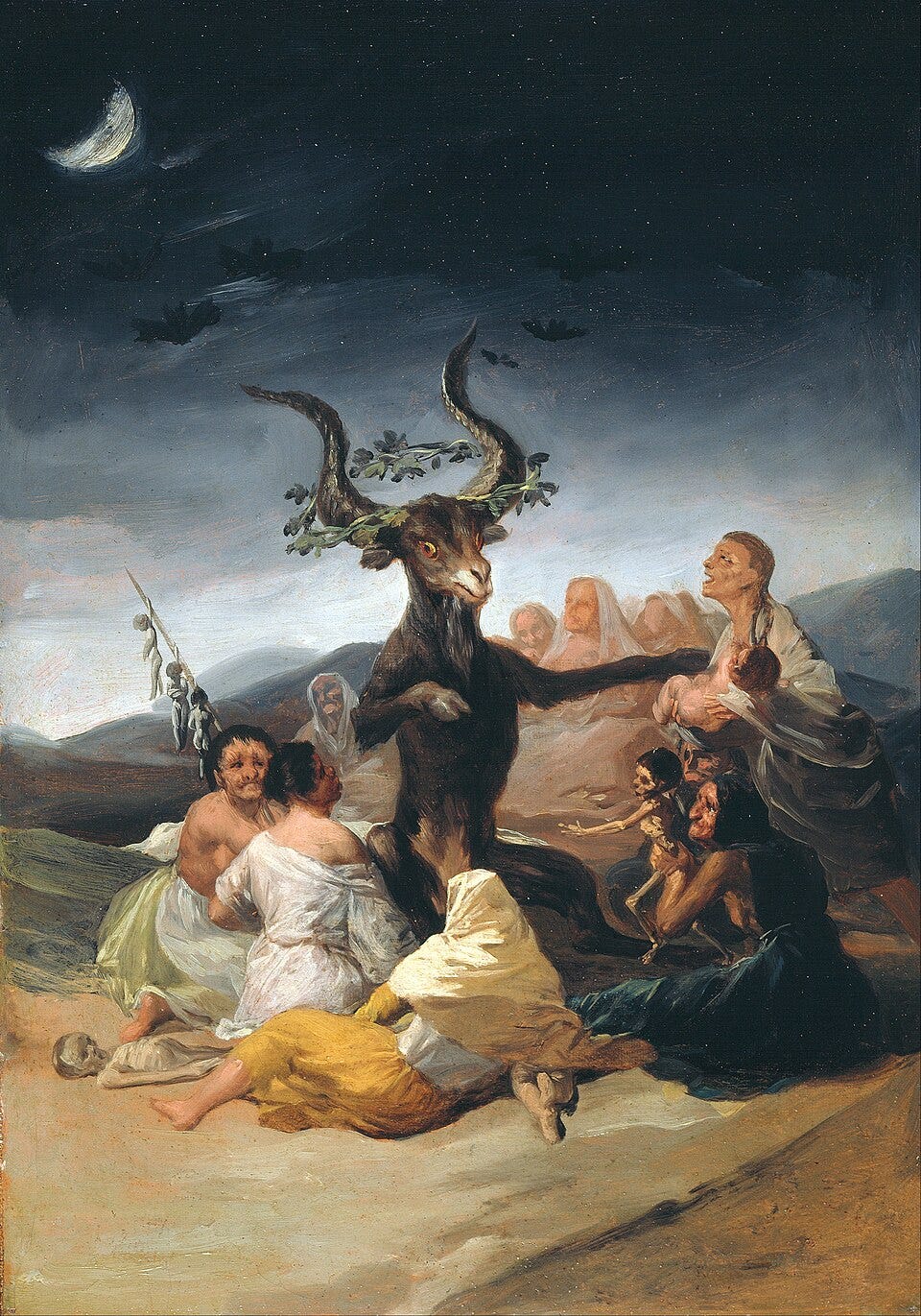
Francisco Goya - The Witches Sabbath - 1798
Lázaro Galdiano Museum, Madrid
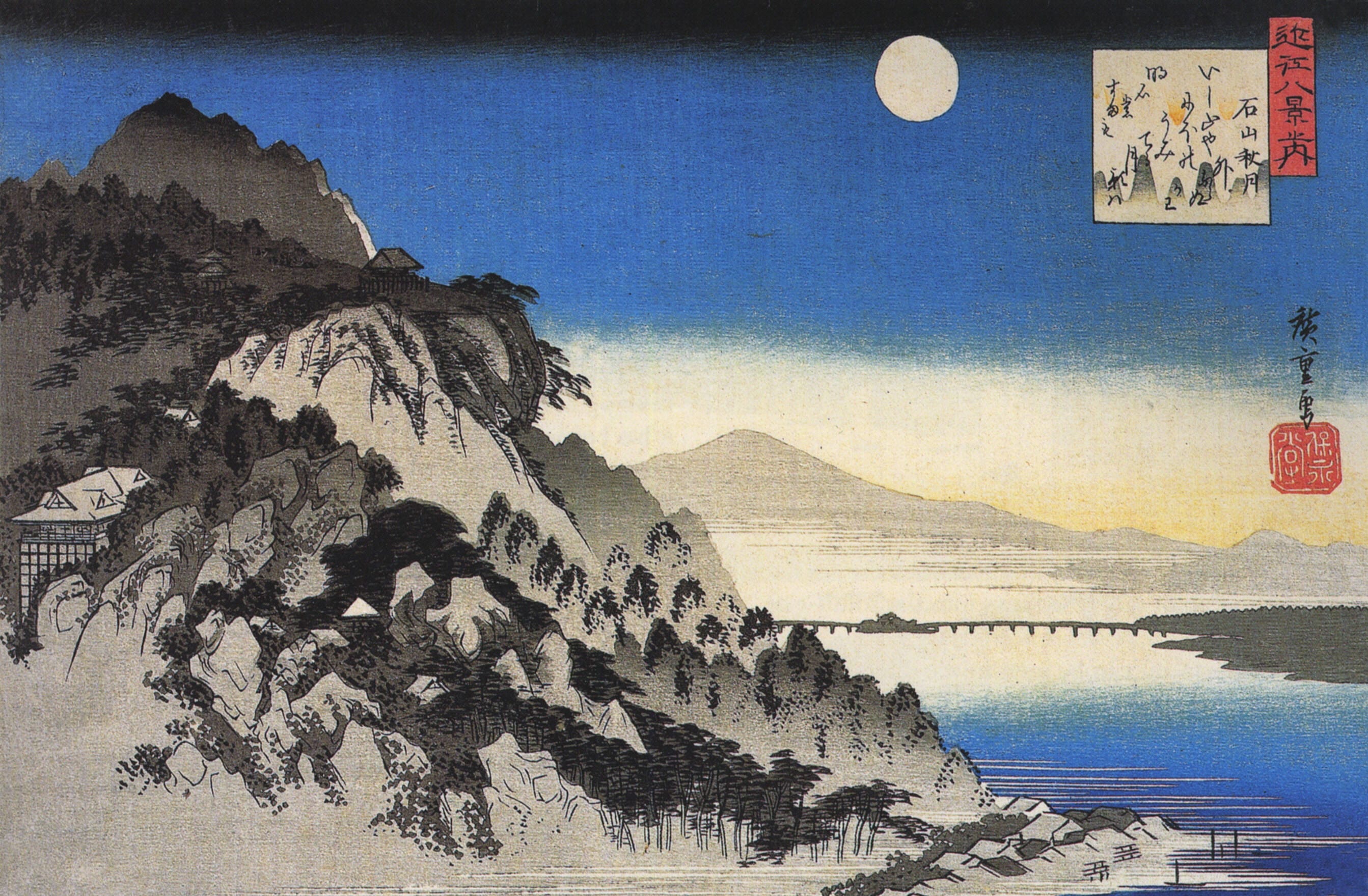
Hiroshige - Autumn Moon at the Temple Ishiyama-dera - 1834
Private Collection
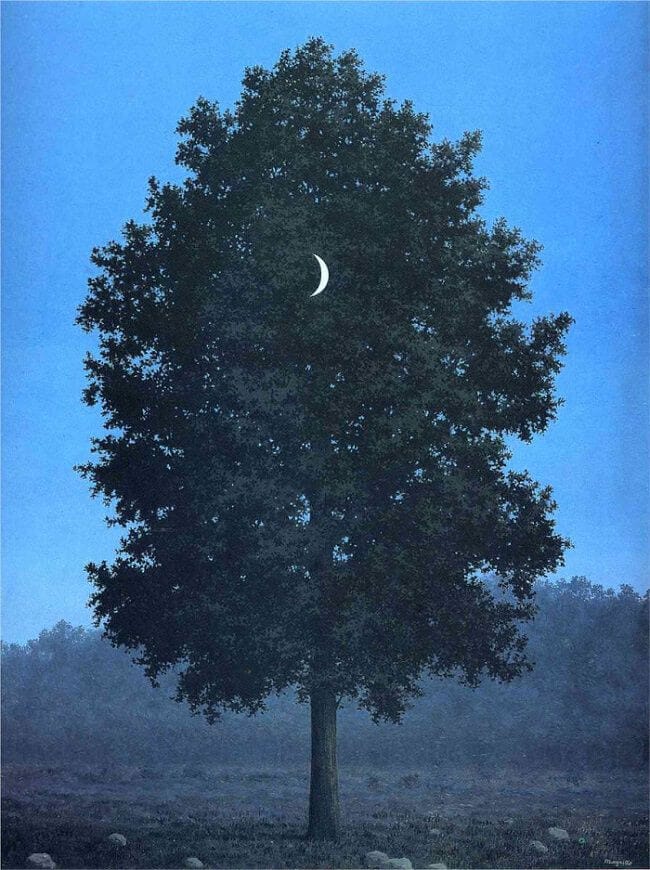
Rene Magritte - Sixteenth of September - 1956
Royal Museum of Fine Arts, Antwerp
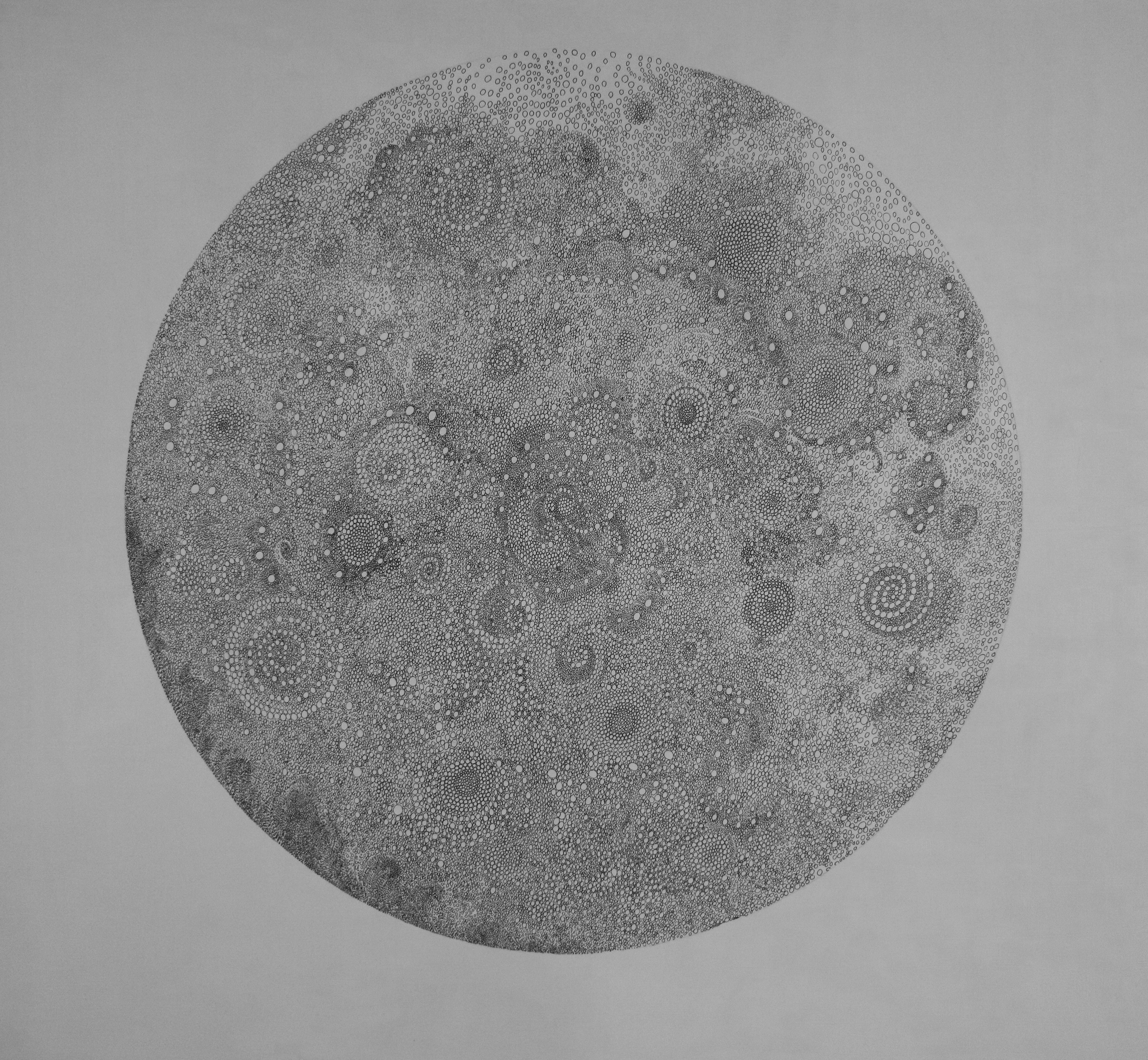
Bonus piece- My own drawing of a Moonscape, created 2024
That Goya painting....wow....
Your moon is fantastic!