Inside The Sistine Chapel

Today, the Sistine Chapel in Vatican city will become absolutely central to world news once again.
Cardinals from all over the globe are coming together for their highly secretive conclave in order to elect a new Pope of the global Catholic Church. And over the days ahead, all eyes from the international press will be fixed on a single chimney outside that famous chapel - awaiting the moment when a plume of white smoke is released to signify that a new pontiff has officially been chosen.
_
But beyond its current use as a kind of election room - The Sistine Chapel is significant for so many more reasons.
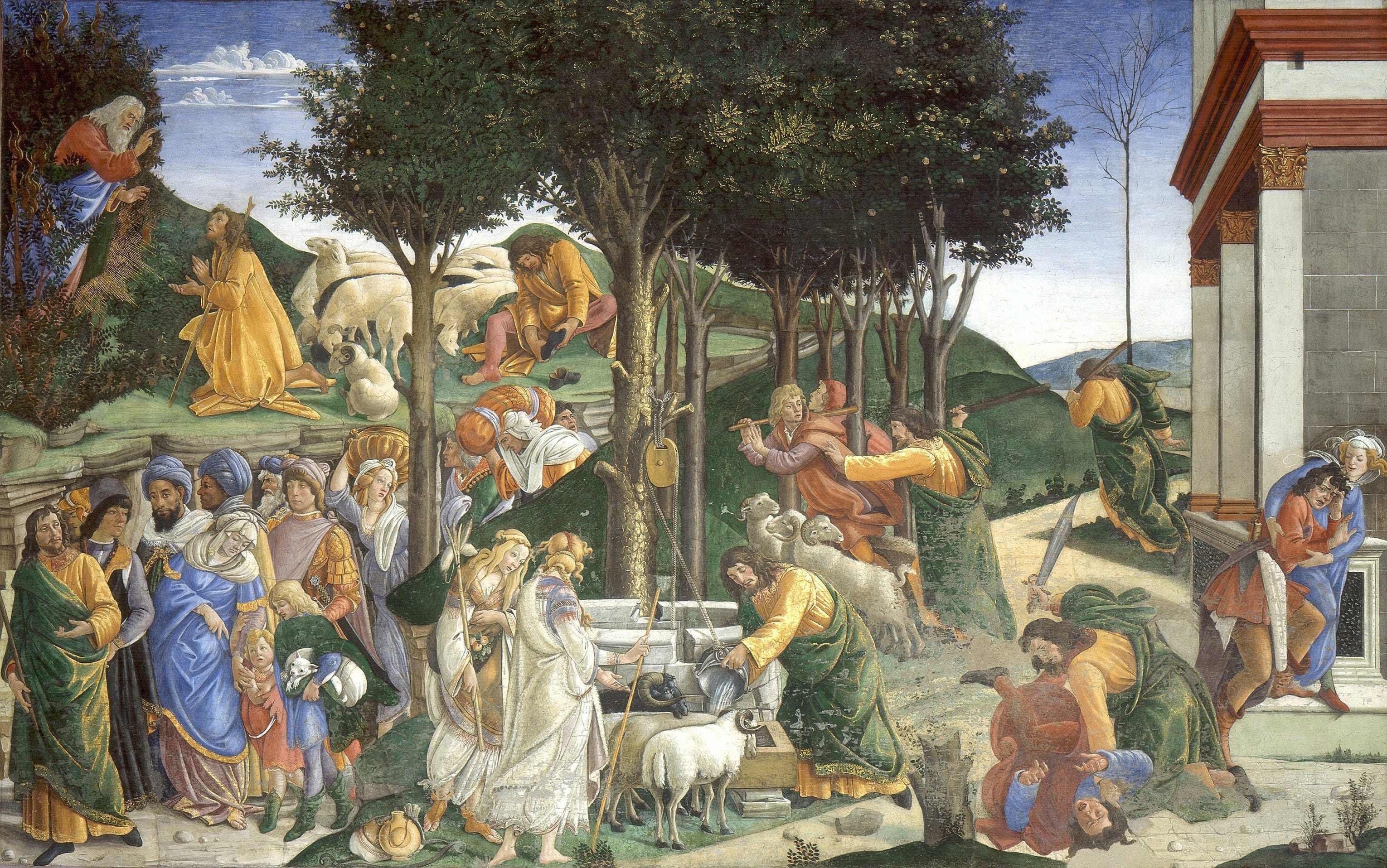
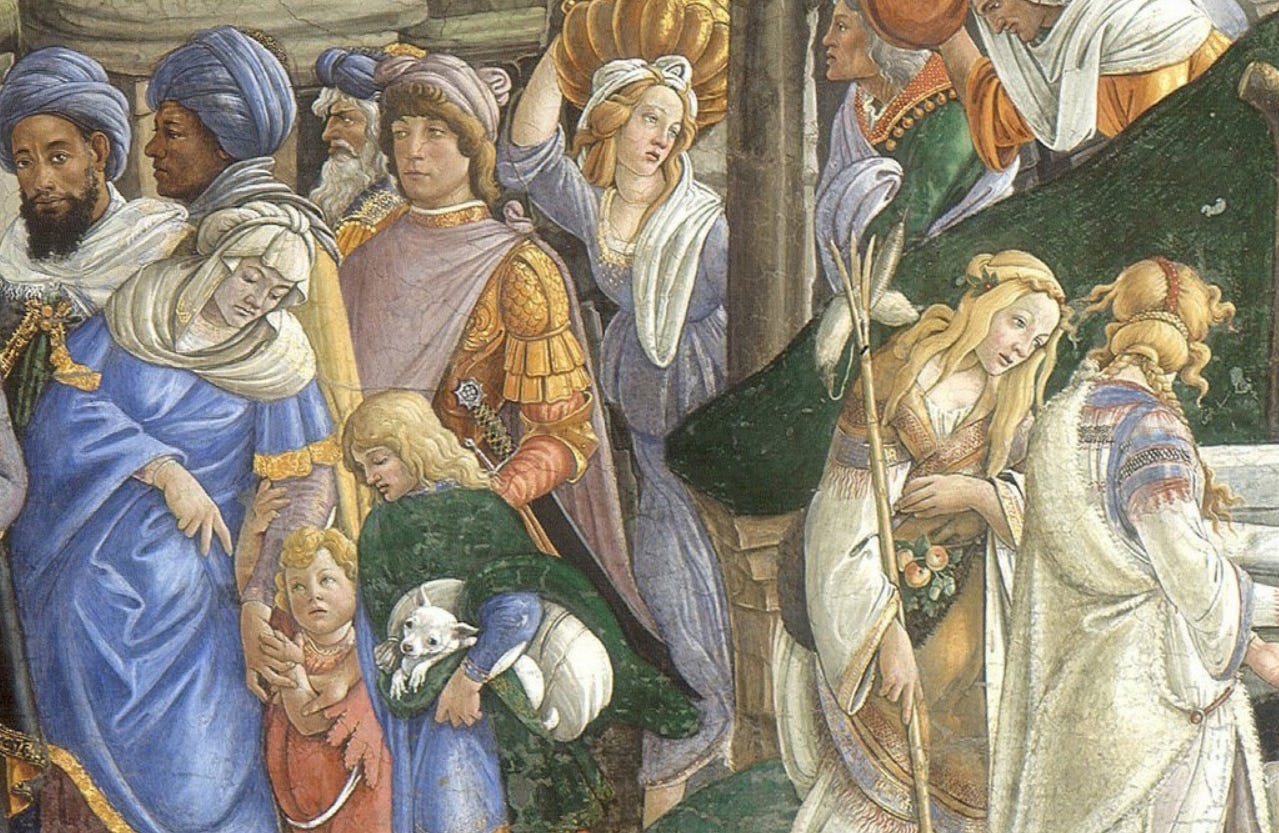
In fact, it is one of the single greatest wonders of the artistic world . . . home to painted masterpieces by Sandro Botticelli, Pietro Perugino, Piero di Cosimo, and, of course, the sheer phenomenon of Michelangelo’s frescoes.
So, while the Cardinals go about their business of voting today, and while the rest of the world awaits news from outside this famous chapel . . . I wanted to use this as an excuse for us to step, once again, inside this extraordinary building.
_
Sadly, there is nowhere near enough room in one newsletter to feature every individual work - nor to go into all the depths I would like to in terms of analysis or interpretation. But still, I hope today’s article can be more of a visual treat for us all instead - taking us closer to the works than a physical viewing might allow.
We will begin with some of the pieces that visitors to the Sistine Chapel often miss or overlook (as, frankly, there are so much else to see it can be rather distracting,) And then, to conclude, we will come to Michelangelo’s masterpiece. Although, in the context of the Sistine Chapel - perhaps “Masterpiece” is not a good enough description
The word “Miracle” feels much more fitting.
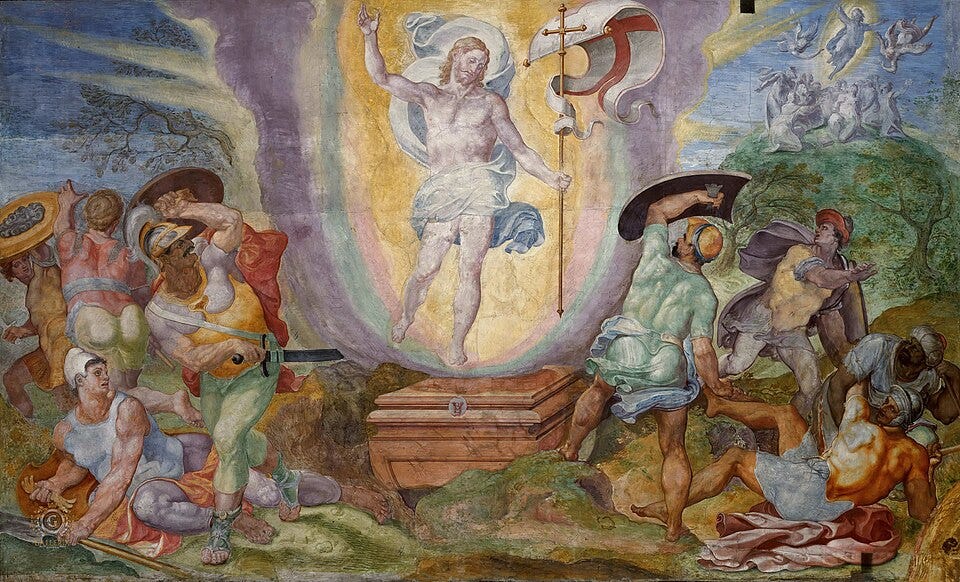
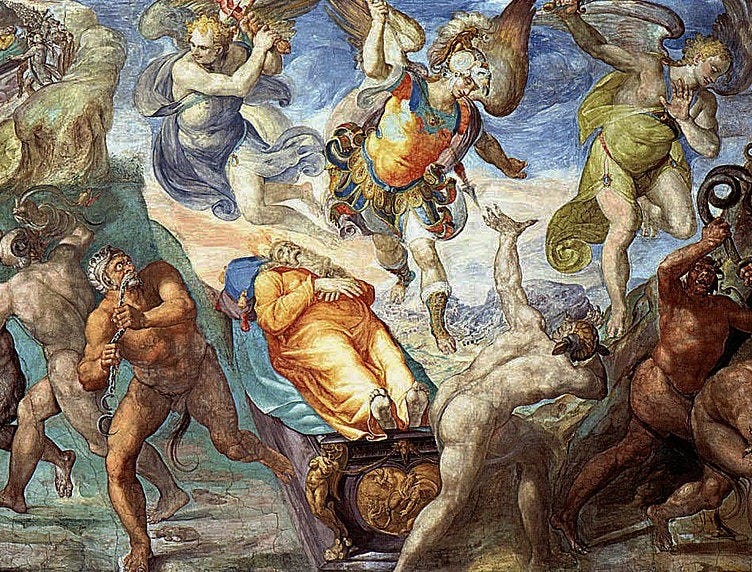
The Eastern Wall
These works by 16th century artists were both painted over earlier originals from the period of 1480 - 1482 when the newly built chapel was first being decorated under the direction of Pope Sixtus IV - the man after whom the Sistine Chapel was named.
The Southern Wall
Mostly made up of frescoes detailing the life of Moses. This wall was a team effort, created in the early 1480s by the combined efforts of Sandro Botticelli, Pietro Perugino, Domenico Ghirlandaio, Luca Signorelli, Piero di Cosimo and a number of other artists/assistants.